Invoice Template: A Modern Tool for Streamlining Business Transactions
In today's fast-paced business environment, efficiency and organization are key to success. One often overlooked but essential tool that can significantly improve financial management is the invoice template. Whether you're a small business owner, a freelancer, or a creative professional, understanding and utilizing an invoice template can save time, reduce errors, and enhance client relationships.
What Is an Invoice Template?
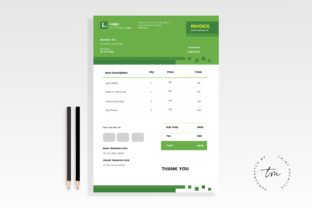
An invoice template is a pre-designed document that outlines the details of a transaction between a service provider and a client. It typically includes information such as the date of service, description of work, total amount due, payment terms, and contact details. Using a template ensures consistency, professionalism, and clarity in billing processes.
Unlike generic forms, a well-crafted invoice template can be customized to reflect your brand identity, making it a powerful tool for maintaining a cohesive business image. This customization extends beyond just aesthetics; it can also include specific fields relevant to your industry, such as project codes, delivery dates, or tax information.
The Rise of Digital Invoicing and Its Impact
The shift toward digital workflows has made invoice templates more important than ever. With more businesses operating online and remote work becoming the norm, the need for efficient, paperless invoicing solutions has grown substantially. Digital invoices not only reduce administrative overhead but also allow for faster processing and easier record-keeping.
Modern invoice templates often integrate with accounting software, enabling real-time updates and automated reminders. This integration helps businesses stay on top of payments and reduces the risk of cash flow disruptions. For professionals who juggle multiple clients and projects, this level of automation can be a game-changer.
Why Invoice Templates Matter in Today’s Market
As consumer expectations evolve, so do the standards for business communication. Clients now expect clear, timely, and professional invoices that reflect the quality of the services they receive. An invoice template plays a crucial role in meeting these expectations by ensuring that every billing statement is accurate, organized, and easy to understand.
Moreover, the increasing emphasis on transparency and accountability in business transactions has made invoice templates a necessity. By providing detailed breakdowns of charges and payment terms, businesses can build trust and avoid disputes. This is particularly important in industries where complex pricing structures or multiple service tiers are common.
Trends Shaping the Use of Invoice Templates
Several trends are influencing how invoice templates are used and designed. One significant trend is the move toward mobile-friendly solutions. As more people access their emails and manage their finances on smartphones, invoice templates must be optimized for mobile viewing. This means using responsive layouts, clear fonts, and intuitive navigation.
Another emerging trend is the use of smart invoice templates that leverage artificial intelligence (AI) for data entry and error detection. These advanced templates can automatically populate fields based on previous transactions, reducing the time spent on manual input. They can also flag potential discrepancies, helping users catch mistakes before sending an invoice.
Practical Implications for Professionals and Businesses
For freelancers and independent contractors, an invoice template is more than just a formality—it's a critical part of managing income and expenses. By using a consistent template, these professionals can track their earnings, monitor outstanding payments, and prepare for tax obligations with greater ease.
Businesses of all sizes can benefit from implementing a standardized invoice template system. It streamlines internal processes, improves financial reporting, and ensures compliance with legal requirements. For example, a retail company might use different templates for B2B and B2C transactions, tailoring each to meet the specific needs of its customers.
Examples of Effective Invoice Templates
Consider a graphic designer who uses a invoice template that includes a project timeline, deliverables, and a breakdown of hourly rates. This level of detail not only clarifies the value of the work but also sets clear expectations for both the client and the designer. Similarly, a consultant might include a section for additional fees, such as travel or materials, to avoid confusion later.
For service-based businesses, a invoice template that includes a note about late fees or early payment discounts can encourage prompt payments. These small but thoughtful additions demonstrate professionalism and reinforce the importance of timely billing.
Choosing the Right Invoice Template
Selecting the right invoice template depends on several factors, including the nature of your business, the preferences of your clients, and the tools you already use. Some popular options include free templates available through platforms like Google Docs, Microsoft Excel, or specialized invoicing software like FreshBooks or QuickBooks.
When choosing a template, consider whether it offers enough customization to suit your needs. A one-size-fits-all approach may not work for businesses with unique requirements. Instead, look for templates that allow you to add custom fields, upload logos, and adjust formatting without compromising readability.
Best Practices for Using Invoice Templates
To get the most out of an invoice template, follow these best practices:
- Keep it clear and concise. Avoid clutter and ensure that all necessary information is easy to find.
- Use consistent branding. Include your logo, contact information, and any other elements that reflect your brand identity.
- Set clear payment terms. Specify due dates, accepted payment methods, and any penalties for late payments.
- Review regularly. Update your template as needed to reflect changes in your business or industry standards.
Looking Ahead: The Future of Invoice Templates
As technology continues to advance, the future of invoice templates looks promising. Innovations such as blockchain-based invoicing and AI-driven automation are expected to further streamline the process, making it even more efficient and secure. However, these developments will still rely on the foundation of a well-designed and user-friendly template.
For now, the key takeaway is that an invoice template is not just a document—it's a strategic asset. By investing time and effort into creating or selecting the right template, professionals and businesses can improve their financial operations, enhance client satisfaction, and position themselves for long-term success.