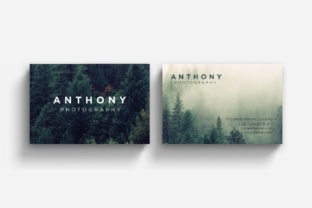
Photography Business Card Template: A Modern Tool for Creative Professionals
In the fast-paced world of visual storytelling, a photography business card template serves as more than just a piece of paper—it’s a powerful tool that encapsulates a photographer’s brand, style, and professionalism. Whether you're a freelance shooter, a studio owner, or an emerging artist, having a well-designed business card can make a lasting impression. But what exactly makes a photography business card template stand out? This article explores how these digital assets can be leveraged effectively across different scenarios and industries.
Understanding the Role of a Photography Business Card Template
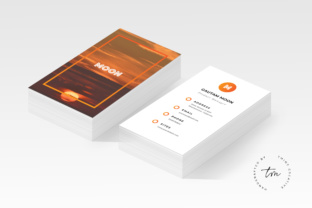
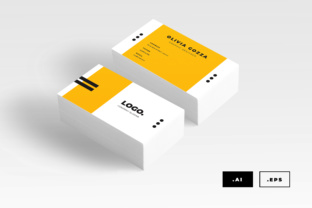
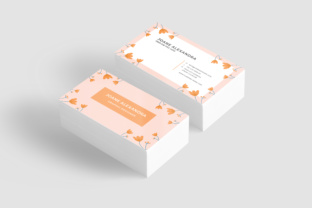
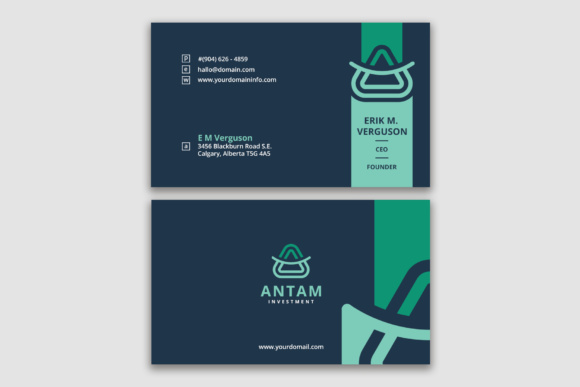
A photography business card template is a pre-designed layout that allows photographers to customize their contact information, branding elements, and aesthetic preferences. These templates are typically available in digital formats such as Adobe Photoshop, Canva, or other design software. They offer a structured foundation that ensures consistency in design while allowing room for personalization.
For many professionals, the process of creating a business card from scratch can be time-consuming and technically challenging. A photography business card template streamlines this process by providing a ready-made framework. This is especially beneficial for those who may not have extensive design experience but still want to maintain a polished and professional appearance.
Key Features of Effective Templates
When selecting or designing a photography business card template, several key features should be considered. First, the layout must be clean and visually appealing. A cluttered design can detract from the message and make it harder for recipients to absorb the information quickly. Second, the template should be scalable—capable of adapting to both standard business card sizes and custom dimensions if needed.
Another important aspect is the integration of high-quality imagery. Since photography is a visual art, including a small image or graphic on the card can reinforce the photographer’s identity. However, it's essential to strike a balance between aesthetics and functionality. The text must remain legible, and the overall design should reflect the photographer’s style without overwhelming the viewer.
Applications Across Different Photography Niches
The versatility of a photography business card template makes it suitable for a wide range of photography niches. For instance, portrait photographers might choose a template that emphasizes warmth and intimacy, using soft colors and elegant fonts. On the other hand, landscape or travel photographers may prefer a more dynamic and bold design that reflects the energy of their work.
Wedding photographers often use business cards as a way to build trust with potential clients. A well-designed template can convey reliability and creativity, which are crucial in this competitive field. Similarly, commercial photographers working with brands may opt for a more minimalist and corporate look, aligning their business cards with the visual identity of their clients.
Customization and Branding Opportunities
One of the greatest advantages of using a photography business card template is the ability to tailor it to individual branding needs. This includes incorporating logos, color schemes, and typography that match the photographer’s overall brand identity. Consistency across all marketing materials, including business cards, helps reinforce brand recognition and create a cohesive professional image.
Additionally, some templates allow for interactive elements, such as QR codes linking to a portfolio or social media profiles. This modern touch can enhance the user experience and provide immediate access to more information about the photographer’s work.
Practical Considerations When Choosing a Template
Before finalizing a photography business card template, there are several practical considerations to keep in mind. One of the most important is the choice of file format. Common options include PDF, PNG, and JPEG, each with its own advantages. PDFs are ideal for printing, while PNGs offer transparency and high quality for digital use.
Another factor is the resolution of the design. Business cards printed at a low resolution may appear blurry or pixelated, which can negatively impact the perceived quality of the photographer’s work. Ensuring that the template is designed at a high resolution (typically 300 DPI) is essential for professional results.
Printing and Distribution Options
Once the design is finalized, the next step is to print the business cards. Many photographers choose to work with local print shops or online services that offer a variety of paper stocks, finishes, and customization options. Some templates are optimized for specific printing methods, such as offset or digital printing, which can affect the final outcome.
Digital distribution is another growing trend. With the rise of mobile networking and digital business cards, photographers can also share their contact information through apps or websites. This flexibility allows for greater reach and convenience, especially in situations where physical cards may not be practical.
Future Trends and Innovations in Business Card Design
The evolution of technology continues to shape the way photographers approach business card design. Augmented reality (AR) is one emerging trend that allows users to scan a business card and view a 3D portfolio or video reel. This innovative approach can set a photographer apart from competitors and provide a more immersive experience for potential clients.
Another development is the integration of eco-friendly materials. As sustainability becomes a priority for many consumers, photographers may choose to use recycled paper or biodegradable materials for their business cards. This not only reduces environmental impact but also aligns with the values of environmentally conscious clients.
Conclusion
As the photography industry continues to evolve, so too do the tools used to represent and promote it. A photography business card template offers a practical and effective solution for professionals looking to establish a strong visual presence. By focusing on design, customization, and practicality, photographers can create business cards that reflect their unique style and professional ethos. Whether used in traditional or digital formats, these templates remain a valuable asset in building connections and advancing a creative career.