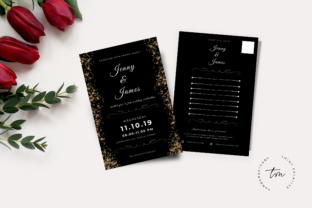
Wedding Invitation Card: A Practical Guide to Planning and Sharing Your Big Day
Wedding invitation cards are more than just pieces of paper—they're the first glimpse guests have of your special day. Whether you're a couple planning your wedding or a professional helping others with their events, understanding how to use and create effective wedding invitation cards can make a big difference. From traditional paper designs to digital versions, these cards serve as essential tools for communication, organization, and setting the tone for your celebration.
Knowing where, when, and why people use wedding invitation cards helps you appreciate their role in modern event planning. Let’s explore real-world scenarios and practical insights into how these cards can be used across different settings.
Where and When Do People Use Wedding Invitation Cards?
Wedding invitation cards are most commonly used during the planning phase of a wedding. They’re sent out weeks or even months in advance to give guests enough time to plan their attendance. But their use isn’t limited to weddings alone. For example, couples might also use them for engagement parties, vow renewals, or themed celebrations. In some cultures, they’re even used for other milestone events like birthdays or anniversaries.
Professionals such as event planners, photographers, and florists often rely on well-designed invitation cards to set expectations and communicate details effectively. Even small business owners might use custom invitations for product launches or company events, showing that the concept of a wedding invitation card extends beyond its traditional use.
Real-World Use Cases for Wedding Invitation Cards
Let’s look at some specific situations where wedding invitation cards come into play:
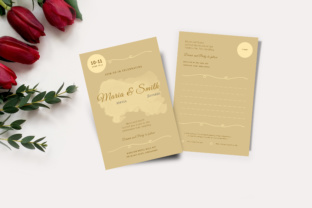
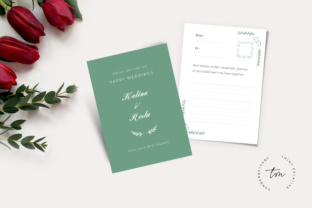
- Personal Events: A couple might design a handmade invitation card to reflect their unique style. This could include personal messages, photos, or creative layouts that match their wedding theme.
- Professional Settings: Event coordinators may create digital invitation cards to streamline the RSVP process. These can integrate with online calendars, making it easier for guests to mark their calendars and send responses.
- Educational Contexts: Teachers or school administrators might use invitation cards for graduation ceremonies or school events, ensuring all participants receive clear and timely information.
- Commercial Applications: Businesses offering wedding services—like caterers or venues—might send out invitation cards to potential clients, showcasing their offerings and building trust through professional design.
How Different Users Benefit from Wedding Invitation Cards
Each user has a unique way of benefiting from wedding invitation cards. For instance, a bride and groom might focus on aesthetics and personalization, while a wedding planner might prioritize clarity and efficiency. Here’s how different roles can leverage these cards:
For creators and designers, wedding invitation cards offer an opportunity to express creativity. A graphic designer might craft a custom layout that aligns with the couple’s vision, using color schemes, fonts, and imagery that reflect their personalities. This not only enhances the guest experience but also serves as a portfolio piece for the designer.
Entrepreneurs and small business owners can use wedding invitation cards as a marketing tool. By including contact information or branding elements, they can turn each invitation into a subtle form of promotion. For example, a local bakery might include a coupon or discount code on the back of an invitation card, encouraging guests to visit their shop after the event.
What to Consider Before Using a Wedding Invitation Card
Before finalizing a wedding invitation card, there are several factors to consider. First, think about the audience. Are you sending it to close family members, colleagues, or a mix of both? The tone and design should reflect the relationship you have with the recipients.
Also, consider the format. Traditional paper cards are still popular, especially for formal events, but digital invitations are becoming more common. They’re eco-friendly, cost-effective, and easy to share via email or social media. However, they may lack the tactile appeal of printed cards.
Another key point is the information included. Make sure to clearly state the date, time, location, and any special instructions. Guests appreciate clarity, and missing details can lead to confusion or no-shows. Including a RSVP deadline and contact information helps manage attendance more effectively.
Connecting Features to Real Outcomes
The features of a wedding invitation card directly impact the success of an event. For example, a well-designed card with clear details can reduce last-minute questions and ensure more guests attend. On the other hand, a poorly designed or unclear card might result in missed dates or misunderstandings.
Consider the following outcomes based on the features you choose:
- Personalization: Customized cards can make guests feel valued and connected to the couple’s story, increasing the likelihood of attendance and positive feedback.
- Clarity: Clear formatting and concise language help guests understand the event details quickly, reducing the need for follow-up communication.
- Design: A visually appealing card sets the tone for the event and reflects the couple’s personality, creating anticipation and excitement.
Final Thoughts on Wedding Invitation Cards
Whether you’re planning a wedding or helping someone else with their event, understanding the purpose and practical use of wedding invitation cards is essential. From choosing the right design to ensuring all details are clear, every decision impacts the overall experience for guests.
By focusing on real-world applications and considering the needs of different users, you can create invitation cards that are not only functional but also meaningful. Remember, the goal is to communicate effectively, build excitement, and make the event memorable for everyone involved.