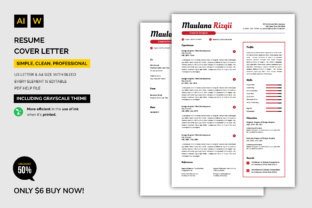
Resume Cover Letter: What It Is
A resume cover letter is a document that accompanies your resume when applying for a job. It serves as an introduction, highlighting your qualifications and explaining why you are the best fit for the position. While a resume lists your work history and skills, a cover letter provides context and tells a story about your professional journey. This combination can make a powerful impression on hiring managers, increasing your chances of landing an interview.
Why a Resume Cover Letter Matters
Many job seekers overlook the importance of a cover letter, assuming it’s optional or unnecessary. However, a well-crafted cover letter can set you apart from other candidates. It allows you to personalize your application, demonstrating that you’ve done your research and are genuinely interested in the role. This level of engagement can be a deciding factor in a competitive hiring process.
For example, if you’re applying for a marketing position at a tech startup, your cover letter can mention specific projects or values the company has highlighted in their mission statement. This shows that you understand the company’s goals and how your skills align with them. Such tailored communication can significantly enhance your visibility among recruiters.
How a Resume Cover Letter Improves Results
One of the key benefits of using a resume cover letter is that it can improve your overall job search results. By clearly articulating your strengths and experiences, you help hiring managers quickly assess your suitability for the role. This clarity can save time for both you and the employer, making the hiring process more efficient.
Imagine you’re applying for a project management position. Your resume might list several roles, but your cover letter can explain how each experience prepared you for this specific opportunity. You might highlight a time when you led a successful team or managed a complex project, providing concrete examples that reinforce your qualifications.
Supporting Creativity and Communication
A resume cover letter also supports creativity and communication. It gives you the space to express your personality and passion for the field. This can be especially valuable in industries where soft skills and cultural fit are important, such as creative or nonprofit sectors.
For instance, if you’re a graphic designer applying for a role at a boutique agency, your cover letter can showcase your design philosophy and how it aligns with the company’s aesthetic. This not only demonstrates your expertise but also your ability to think critically and communicate effectively—qualities that are highly valued in creative roles.
Increasing Efficiency and Simplifying Decisions
Another advantage of a resume cover letter is that it can increase efficiency and simplify decision-making for employers. A clear, concise letter helps hiring managers quickly identify relevant information, reducing the time they spend reviewing applications. This can lead to faster responses and a more streamlined hiring process.
Consider a scenario where a hiring manager receives dozens of applications for a single position. A well-structured cover letter that highlights key achievements and relevant experiences can make your application stand out. This can help you move through the hiring pipeline more quickly, giving you a competitive edge.
Who Benefits Most from a Resume Cover Letter
Professionals across various industries can benefit from including a resume cover letter. However, certain roles and situations may require more personalized attention. For example, those applying for leadership positions, specialized roles, or jobs in niche fields often find that a cover letter adds significant value.
Entrepreneurs and small business owners may also find a cover letter useful when seeking partnerships or collaborations. It allows them to present their vision and capabilities in a way that resonates with potential partners. Similarly, freelancers and consultants can use a cover letter to explain their unique approach and how they can add value to a client’s project.
Examples and Recommendations
To illustrate the impact of a resume cover letter, consider the following examples. A teacher applying for a school administrator role might use their cover letter to discuss their leadership experience and vision for education. A software developer could highlight their problem-solving skills and how they have contributed to successful projects in the past.
When writing your cover letter, focus on quality over quantity. Avoid generic statements and instead provide specific details that demonstrate your qualifications. Use a professional tone, but don’t be afraid to show your personality. Remember, the goal is to create a connection with the reader, not just to list your accomplishments.
Limitations and Considerations
While a resume cover letter can be beneficial, it’s important to recognize its limitations. In some cases, particularly for entry-level positions or when applying through automated systems, a cover letter may not be necessary or even read. In these situations, it’s essential to follow the employer’s guidelines and adjust your approach accordingly.
Additionally, not all industries place the same emphasis on cover letters. For example, in fast-paced environments like tech startups, a concise and direct approach may be more effective than a lengthy letter. Understanding the expectations of the industry and the specific role can help you decide whether a cover letter is the right choice.
Conclusion: Make Every Application Count
In today’s competitive job market, every application matters. A resume cover letter can be a powerful tool to enhance your visibility, demonstrate your qualifications, and connect with potential employers. By taking the time to craft a thoughtful and personalized letter, you increase your chances of standing out and securing the opportunities you deserve.
Whether you’re a seasoned professional or just starting your career, investing in a strong cover letter can pay off in the long run. It’s an opportunity to tell your story, showcase your strengths, and make a lasting impression. With the right approach, a resume cover letter can become an essential part of your job search strategy.