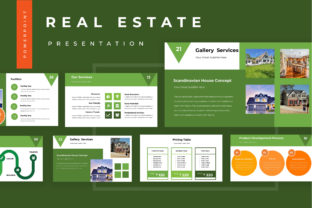
Real Estate Powerpoint Presentation: A Strategic Tool for Modern Professionals
In the fast-paced world of real estate, effective communication is key to success. Whether you're a seasoned agent, a developer, or an investor, presenting your ideas clearly and persuasively can make all the difference. One powerful tool that has become essential in this industry is the Real Estate Powerpoint Presentation. This digital format allows professionals to convey complex information in a structured, engaging, and visually appealing manner.
A well-crafted presentation can serve as a bridge between data and decision-making, helping stakeholders understand market trends, property details, and investment opportunities with ease. From initial client meetings to large-scale project proposals, the Real Estate Powerpoint Presentation is a versatile asset that can be tailored to suit a wide range of scenarios.
Key Characteristics of Effective Real Estate Presentations
The effectiveness of a Real Estate Powerpoint Presentation often hinges on its design and content. Visual elements such as high-quality images, infographics, and maps play a crucial role in capturing attention and conveying information quickly. These elements not only enhance the aesthetic appeal but also support the narrative being presented.
Another important characteristic is clarity. A good presentation should avoid clutter and focus on delivering a clear message. Bullet points, concise text, and logical flow help ensure that the audience remains engaged without feeling overwhelmed. Additionally, incorporating relevant statistics and market data adds credibility and supports the arguments being made.
Interactivity is another growing trend in real estate presentations. Some professionals use embedded videos, clickable links, or even virtual tours to provide a more immersive experience. These features can be particularly useful when showcasing properties or explaining complex developments.
Advantages of Using Real Estate Powerpoint Presentation
One of the primary advantages of using a Real Estate Powerpoint Presentation is its ability to simplify complex concepts. Real estate involves a lot of technical terms, financial calculations, and legal considerations, which can be challenging to explain in a straightforward way. A well-structured presentation breaks down these elements into digestible pieces, making it easier for clients and stakeholders to grasp the essentials.
Additionally, a Real Estate Powerpoint Presentation can significantly improve communication efficiency. Instead of relying solely on verbal explanations, presenters can use slides to reinforce their points, ensuring that everyone is on the same page. This is especially beneficial during team meetings, investor pitches, or client consultations where time is limited.
Another benefit is the flexibility it offers. Presentations can be easily modified to suit different audiences, whether it's a casual discussion with a potential buyer or a formal proposal to a development committee. This adaptability makes the Real Estate Powerpoint Presentation a valuable tool across various stages of a real estate project.
Common Use Cases for Real Estate Powerpoint Presentations
Real Estate Powerpoint Presentations are used in a variety of contexts, each with its own unique requirements. For instance, when presenting a new property to potential buyers, the focus might be on location, amenities, and pricing. In contrast, a presentation aimed at investors may emphasize market trends, projected returns, and risk factors.
Developers often use these presentations to outline the vision for a new project. They may include architectural renderings, site plans, and timelines to give stakeholders a comprehensive view of what to expect. This helps build confidence and ensures that all parties have a shared understanding of the goals and challenges involved.
Real estate agents also rely on presentations to showcase listings. By highlighting key selling points such as square footage, layout, and neighborhood features, they can create a compelling case for why a particular property is worth considering. Including testimonials or past sales data can further strengthen the argument.
Considerations When Creating a Real Estate Powerpoint Presentation
While the benefits of a Real Estate Powerpoint Presentation are clear, there are several considerations to keep in mind when creating one. First and foremost, the design should be professional yet approachable. Overly flashy graphics or excessive animations can distract from the content and undermine the message.
Another important factor is the audience. Understanding who will be viewing the presentation can help determine the level of detail and complexity needed. For example, a presentation for a general audience may require simpler language and more visual aids, while a presentation for industry experts can delve deeper into technical aspects.
Finally, it's essential to test the presentation before delivering it. Ensuring that all links, videos, and transitions work smoothly can prevent unexpected issues during the actual presentation. Practicing the delivery also helps build confidence and ensures a more polished performance.
Best Practices for Real Estate Powerpoint Presentations
To maximize the impact of a Real Estate Powerpoint Presentation, it's important to follow best practices that promote clarity, engagement, and professionalism. One of the most effective strategies is to start with a strong opening that grabs attention and sets the tone for the rest of the presentation.
Using consistent formatting throughout the slides helps maintain a cohesive look and feel. This includes choosing a limited color palette, using the same font styles, and aligning text and images properly. Consistency not only enhances visual appeal but also reinforces brand identity.
Another best practice is to tell a story. Rather than simply listing facts and figures, structuring the presentation around a narrative can make the information more relatable and memorable. This could involve starting with a problem, presenting a solution, and concluding with the benefits of the proposed real estate opportunity.
Integrating Technology for Enhanced Real Estate Presentations
As technology continues to evolve, so do the tools available for creating Real Estate Powerpoint Presentations. Many professionals now use cloud-based platforms that allow for real-time collaboration and easy access from multiple devices. This is especially useful when working with remote teams or clients who may not be physically present.
Some presentations also incorporate interactive elements such as quizzes, polls, or live Q&A sessions. These features can increase engagement and encourage active participation from the audience. For example, a presentation on a new housing development might include a poll asking attendees to vote on preferred design features, providing valuable feedback in real time.
Furthermore, the integration of augmented reality (AR) and virtual reality (VR) is beginning to shape the future of real estate presentations. These technologies allow viewers to explore properties virtually, offering a more immersive and interactive experience. While still emerging, they represent an exciting direction for the industry.