Baby Elephant with Flowers: A Unique Approach to Workflow Integration
In the world of productivity, creativity, and project management, unique tools and methods often emerge to address specific needs. One such concept is Baby Elephant with Flowers, a metaphorical framework that blends simplicity with intentionality. While not a traditional tool or software, it represents a mindset and approach that can be applied across various workflows, from personal projects to business strategies.
This article explores what Baby Elephant with Flowers means, how it fits into broader processes, and how it can be used before, during, and after key activities. It also examines its compatibility with other resources and provides practical tips for seamless integration into your daily routine.
Understanding Baby Elephant with Flowers
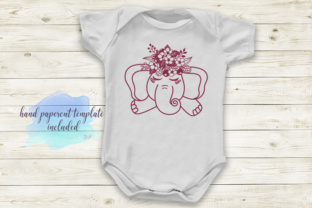
Baby Elephant with Flowers is more than just a whimsical phrase—it's a conceptual model that emphasizes mindful planning, intentional action, and sustainable progress. The "baby elephant" symbolizes something large but manageable, while "flowers" represent growth, beauty, and care. Together, they suggest a process that balances ambition with attention to detail.
This approach is particularly useful in scenarios where long-term goals require careful execution. Whether you're launching a new product, managing a creative project, or making a major life decision, Baby Elephant with Flowers offers a structured yet flexible way to navigate complexity without overwhelming yourself.
Applying Baby Elephant with Flowers in Different Stages
The principles behind Baby Elephant with Flowers can be applied at multiple stages of any project or task. Here's how it works in practice:
Before a Project: Laying the Foundation
Before diving into any initiative, it's essential to set clear intentions. This is where Baby Elephant with Flowers comes into play. Start by defining your goal and identifying the key elements that will support your success. Think about the resources you need, the people involved, and the potential challenges ahead.
For example, if you're starting a new business, use the Baby Elephant with Flowers approach to outline your vision, create a roadmap, and establish a supportive network. By focusing on small, meaningful steps, you build a solid foundation that supports long-term growth.
During a Project: Maintaining Balance and Focus
Once a project is underway, Baby Elephant with Flowers helps maintain balance and focus. It encourages regular check-ins, adjustments, and a commitment to quality. This is especially important in creative or complex tasks where distractions and burnout are common.
Consider a marketing campaign. Using this framework, you might break down the process into smaller phases—research, content creation, distribution, and analysis. Each phase should include time for reflection and refinement, ensuring that every step aligns with your overall objective.
After a Project: Evaluating and Refining
After completing a task or project, Baby Elephant with Flowers promotes evaluation and continuous improvement. Take time to assess what worked well, what could be improved, and how the process can be refined for future efforts.
For instance, after a product launch, review customer feedback, analyze performance metrics, and identify areas for optimization. This reflective phase ensures that each experience contributes to a more effective workflow moving forward.
Integration with Other Tools and Methods
Baby Elephant with Flowers is not meant to replace existing tools or methodologies but to complement them. It works well alongside popular frameworks like Agile, Scrum, or Design Thinking, offering a philosophical underpinning that enhances their practical application.
For example, when using a project management tool like Trello or Asana, apply the Baby Elephant with Flowers mindset to prioritize tasks based on their impact and sustainability. This ensures that even the most efficient systems remain aligned with your long-term vision.
It also pairs well with mindfulness practices, such as meditation or journaling. These activities help maintain mental clarity and emotional balance, which are essential when managing complex or high-stakes projects.
Practical Implementation Tips
Here are some actionable steps to help you incorporate Baby Elephant with Flowers into your workflow:
- Start small: Break down large goals into manageable steps. Focus on one task at a time, ensuring that each action contributes to your overall vision.
- Stay intentional: Regularly reflect on your progress and adjust your approach as needed. Ask yourself, "Is this step helping me move closer to my goal?"
- Embrace flexibility: Be open to change and adaptation. The Baby Elephant with Flowers philosophy values resilience and responsiveness over rigid adherence to plans.
- Cultivate habits: Develop routines that support your workflow, such as setting aside dedicated time for planning, reviewing, and reflecting.
Observations and Insights
One of the key strengths of Baby Elephant with Flowers is its adaptability. It can be applied to a wide range of contexts, from personal development to team collaboration. Its emphasis on balance and sustainability makes it particularly valuable in fast-paced environments where burnout and inefficiency are common.
Another benefit is its ability to foster creativity. By encouraging thoughtful planning and intentional action, it creates space for innovation and problem-solving. This is especially useful in fields like design, writing, or entrepreneurship, where originality and persistence are critical.
Finally, Baby Elephant with Flowers promotes a long-term perspective. It reminds us that success is not just about quick wins but about building systems that support ongoing growth and fulfillment.